
Showing posts with label Written by Claude. Show all posts

Oct 27, 2025

The Tactical Revolution: How Modern Football Is Being Reinvented From the Ground Up

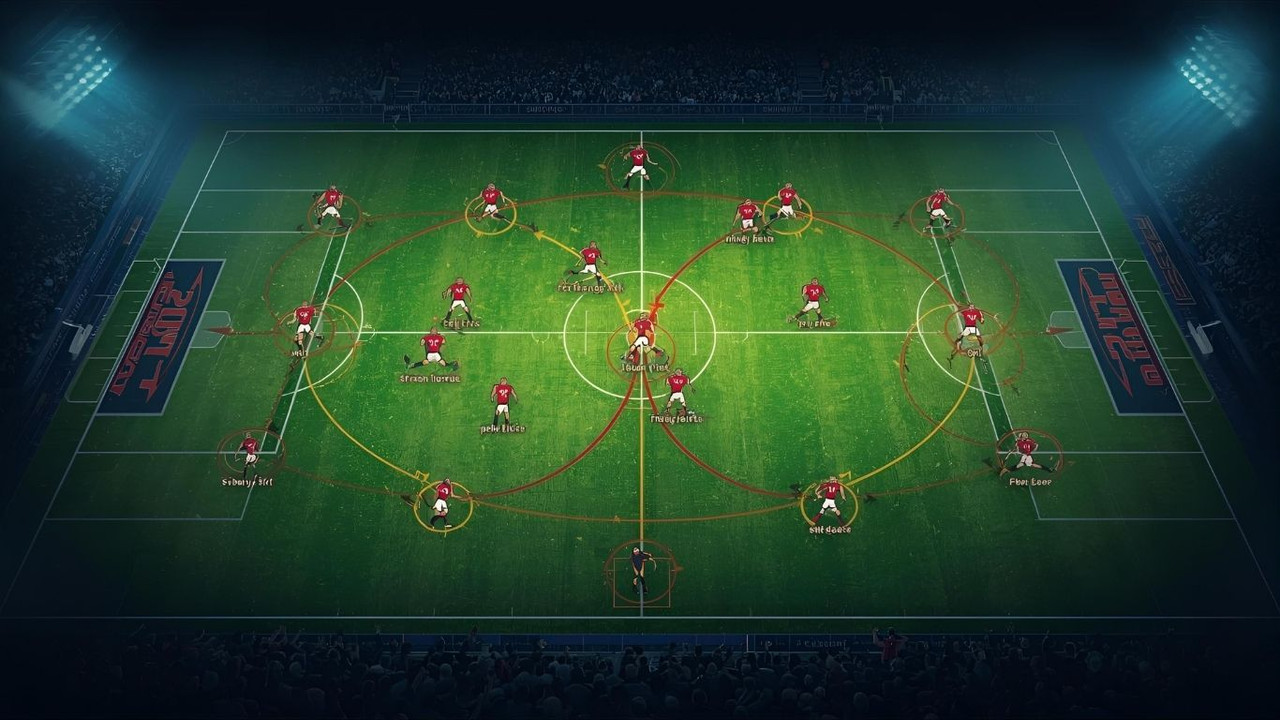
Football tactical board and strategy planning

Football tactics have evolved more in the past decade than in the previous fifty years combined. The modern game bears little resemblance to the football our parents watched, with revolutionary approaches to positioning, pressing, and ball progression transforming how teams compete at every level. From the elite clubs of Europe to grassroots academies worldwide, a tactical revolution is reshaping the beautiful game.

This evolution isn't just about formations written on a whiteboard—it's a fundamental reimagining of space, time, and decision-making on the pitch. Data analytics, sports science, and innovative coaching minds have converged to create a more dynamic, fluid style of play that demands new skills from players and offers fresh excitement for fans.

The Death of Traditional Formations

The classic formations that defined football for generations—4-4-2, 4-3-3, 3-5-2—are becoming increasingly irrelevant. Modern teams don't maintain static shapes; instead, they morph constantly between attacking and defensive structures, with players adopting different roles depending on whether their team has possession.

According to tactical analysts, top teams now operate with at least three distinct shapes: one in possession, one when defending in a mid-block, and another when pressing high. Full-backs might become central midfielders when attacking, while wingers drop deep to create numerical advantages in buildup phases.

This fluidity requires exceptional tactical intelligence from players. The days when a winger simply stayed wide and crossed balls are long gone. Modern attackers must understand spatial relationships, recognize when to invert, and make split-second decisions about when to hold position versus when to rotate.

Pressing Systems: The New Battleground

Football players pressing and team tactics in action

Perhaps no tactical element has evolved more dramatically than pressing. What was once a relatively simple concept—closing down opponents quickly—has become a sophisticated chess match involving triggers, traps, and coordinated movements across the entire team.

Modern pressing systems are built around specific triggers that activate coordinated pressure. These might include a poor touch, a pass to a particular zone, or even a predetermined cue like a striker's movement. When the trigger occurs, multiple players spring into action simultaneously, closing passing lanes and forcing errors.

  • Counterpressing (Gegenpressing): Immediately winning the ball back after losing possession, pioneered by coaches like Jürgen Klopp
  • High pressing: Aggressively pressing in the opponent's half to force turnovers in dangerous areas
  • Mid-block pressing: Allowing opponents to advance before triggering pressure in midfield zones
  • Low block with press triggers: Defending deep but springing coordinated pressure at specific moments
  • Man-oriented pressing: Following specific opponents rather than zonal marking during pressing sequences

The intensity required for modern pressing systems explains why sports science and fitness training have become so crucial. Players need exceptional endurance to maintain these high-intensity efforts throughout matches, along with the recovery capacity to perform consistently across congested fixture schedules.

Positional Play and Building From the Back

The evolution of buildup play represents another seismic shift in modern football. Goalkeepers now need excellent distribution skills, while center-backs must be comfortable receiving the ball under pressure and playing passes between lines.

Positional play, heavily influenced by coaches like Pep Guardiola, emphasizes creating numerical and positional advantages in specific zones. This involves careful spacing, precise positioning, and patient ball circulation to draw opponents out of position before exploiting the spaces created.

As detailed by UEFA's tactical education programs, successful positional play requires players to understand concepts like creating passing triangles, occupying half-spaces, and providing progressive passing options that break defensive lines.

The Role Revolution: Position-Less Football

Traditional position names are becoming outdated as player roles become increasingly hybrid. The modern full-back might function as a winger, central midfielder, or even center-back depending on the game phase. Strikers drop deep to create space or link play. Central midfielders make runs into the box that would have traditionally been made by forwards.
Professional football match action and athletic performance

This positional flexibility creates problems for opponents who can't mark specific players because those players keep changing roles. It also demands extraordinary versatility from modern footballers, who must master skills across multiple positions and understand tactical principles rather than just learning a single role.

Youth development has adapted accordingly, with academies now emphasizing tactical education and positional flexibility over specialization at early ages. Young players train in multiple positions and learn to make decisions based on game situations rather than following rigid instructions.

Data Analytics: The Invisible Tactical Revolution

Behind all these tactical innovations lies a data revolution that's transformed how coaches analyze performance and make decisions. Modern teams track hundreds of metrics—from pressing triggers to passing angles, from sprint distances to positional heat maps.

This data informs everything from tactical adjustments during matches to long-term transfer strategies. Coaches can identify patterns in opponent behavior, track player development with precision, and make evidence-based decisions about tactics and personnel.

However, the best coaches combine data insights with traditional football knowledge and intuition. The numbers reveal what's happening, but experienced coaching minds interpret why it's happening and how to respond.

Set Pieces: The Overlooked Tactical Arms Race

While much tactical discussion focuses on open play, set pieces have undergone their own revolution. Teams now employ set-piece specialists who design elaborate routines involving decoy runs, blocking patterns, and carefully choreographed movements.

Statistical analysis has shown that set pieces account for approximately 30-40% of goals at elite levels, making them crucial tactical weapons. Modern set-piece design uses principles from basketball and American football, including screens, picks, and zone flooding to create scoring opportunities.

Comparing Tactical Approaches: Old vs. New

Traditional Football (Pre-2010):

  • Pros: Clear positional responsibilities, easier to learn, less physically demanding, stable defensive structures
  • Cons: Predictable, less flexible, vulnerable to modern pressing, limited buildup options, easier to defend against

Modern Tactical Football (2025):

  • Pros: Fluid and unpredictable, creates numerical advantages, better use of space, more entertaining, adapts during matches
  • Cons: Requires exceptional fitness, demands high tactical intelligence, difficult to master, vulnerable to mistakes, physically exhausting

Hybrid Approach (Recommended):

  • Pros: Combines structure with flexibility, accessible to more teams, sustainable over full season, easier player adaptation
  • Cons: Requires careful balance, may lack identity in either direction, needs strategic clarity from coaching staff

Recommendation: The most successful modern teams blend tactical innovation with pragmatic flexibility. Pure possession play or relentless pressing aren't always optimal—the best approach depends on squad capabilities, opponent strengths, and match situations. Teams should develop a clear tactical identity while maintaining the flexibility to adapt. For youth development, teaching tactical principles and decision-making skills matters more than drilling specific systems that may become outdated.

The Physical and Mental Demands

Modern tactical systems place unprecedented demands on players. The constant positional rotations, high-intensity pressing, and rapid transitions require elite fitness levels and exceptional recovery capacity.

Sports science has evolved to support these demands. Load management, nutrition protocols, recovery strategies, and injury prevention programs are now as important as tactical training itself. Teams carefully monitor player workloads to prevent overtraining and optimize performance across long seasons.

The mental demands are equally significant. Players must process complex tactical information in real-time, make quick decisions under pressure, and maintain concentration throughout matches where tactical details can determine outcomes.

Looking Forward: The Next Tactical Evolution

Football tactics will continue evolving as coaches innovate and new ideas emerge. Potential future developments include greater integration of real-time data during matches, more sophisticated use of space in the final third, evolution of defensive tactics to counter modern attacking systems, and increased emphasis on transition moments between attack and defense.

Artificial intelligence and machine learning may also play growing roles in tactical analysis and preparation, though the human elements of creativity, intuition, and leadership will always remain central to football's appeal.

Conclusion

The tactical revolution transforming modern football represents the sport's natural evolution in an era of improved athletic development, better coaching education, and sophisticated analytical tools. While some purists lament the loss of traditional simplicities, the modern game offers a level of sophistication and entertainment that captivates audiences worldwide.

For players, coaches, and fans, understanding these tactical developments enhances appreciation of the game's complexity. What might appear as random movement or chaotic action is actually carefully orchestrated tactical chess played at high speed.

The beautiful game remains beautiful, but it's now played with an intellectual and physical intensity that earlier generations couldn't have imagined. As tactics continue evolving, one constant remains: football's capacity to surprise, innovate, and inspire. The tactical revolution isn't ending—it's accelerating, promising even more exciting developments in the years ahead.

Whether you're a coach studying these systems, a player learning to implement them, or a fan seeking deeper understanding, embracing modern tactical concepts opens new dimensions of appreciation for football's endless complexity and enduring magic.


Follow Us: For more updates, stories, and partner links — visit our official Facebook Page and explore Our Sister Sites.




Share/Bookmark

Oct 9, 2025

Mastering Football: Essential Skills, Training Tips, and the Path to Excellence

Football player practicing skills and ball control on training ground

Football is a sport where natural talent meets dedicated practice. While some players seem blessed with innate ability, the truth is that every football legend—from neighborhood heroes to World Cup champions—developed their skills through countless hours of training, repetition, and unwavering commitment to improvement. Whether you're a beginner taking your first touches or an experienced player looking to elevate your game, understanding the fundamentals and training effectively can transform your football journey.

The beauty of football lies in its accessibility. Unlike many sports requiring expensive equipment or specialized facilities, football asks only for a ball, some space, and the desire to improve. This democratic nature has produced world-class players from favelas in Brazil, dusty pitches in Africa, and concrete parks in Europe—proving that passion and practice matter more than privilege.

The Foundation: Core Football Skills Every Player Must Master

Before attempting elaborate tricks or studying complex tactics, every footballer must build a solid foundation of fundamental skills. These basics form the building blocks upon which all advanced abilities rest, and even professional players dedicate significant training time to maintaining and refining these core competencies.

Ball Control and First Touch: The ability to receive the ball cleanly and bring it under control instantly separates good players from average ones. Your first touch should position the ball exactly where you want it, whether that's setting up a pass, preparing to shoot, or moving into space. Practice receiving balls from different angles, heights, and speeds using various parts of your foot, thigh, and chest.

Passing Accuracy: Football is fundamentally about moving the ball efficiently, and accurate passing is the game's lifeblood. Master both short passes that maintain possession and longer balls that switch play or launch attacks. Focus on proper technique—planting your non-kicking foot beside the ball, making clean contact with the inside of your foot, and following through toward your target.

Dribbling and Close Control: The ability to move with the ball while maintaining control allows you to navigate tight spaces, beat defenders, and create opportunities. Develop comfort using both feet, practice changing direction quickly, and learn to shield the ball with your body when under pressure from opponents.

Shooting Technique: Goals win matches, and shooting ability is invaluable regardless of your position. Practice different shooting techniques—powerful drives using your laces, precise placement with the inside of your foot, and chip shots over advancing goalkeepers. Work on shooting with both feet from various distances and angles.

Heading: Despite being an aerial skill, proper heading technique can be learned and improved through practice. Focus on timing your jump, making contact with your forehead (not the top of your head), and directing the ball using neck muscles rather than just letting it bounce off you.

Position-Specific Skills and Tactical Awareness

Football tactical training session with players learning positions and formations

While fundamental skills apply universally, each position demands specific abilities and tactical understanding. Developing position-specific expertise alongside core skills accelerates your development and makes you more valuable to any team.

For Defenders: Positioning is everything. Learn to read the game, anticipate opponent movements, and position yourself between attackers and goal. Practice one-on-one defending, timing tackles correctly, and winning aerial duels. Develop the ability to play out from the back with composure, as modern football increasingly demands ball-playing defenders.

For Midfielders: Versatility defines great midfielders. Work on receiving the ball under pressure, scanning the field before receiving passes, and distributing effectively in all directions. Develop stamina to cover ground throughout matches, and learn when to play safe passes versus when to attempt penetrating balls that break defensive lines.

For Forwards: Movement without the ball creates scoring opportunities. Practice making runs that exploit defensive weaknesses, timing your movements to stay onside, and creating space for teammates. Develop composure in front of goal, as the difference between good and great strikers often comes down to finishing chances under pressure.

Tactical awareness transcends individual positions. Understanding team shape, recognizing when to press versus when to hold position, and reading game situations develops through experience and study. Watch professional matches analytically, noting how players position themselves in different phases of play. According to detailed analysis of football tactics, the modern game demands players who understand their role within various tactical systems.

Effective Training Methods and Practice Routines

Improvement requires purposeful practice, not just playing matches. Structuring your training to target specific skills while maintaining overall fitness produces the fastest development. Here's how to organize effective training sessions:

  • Wall Work: A simple wall becomes your most reliable training partner. Practice passing against the wall, controlling rebounds, and taking quick touches. This develops first touch, passing accuracy, and reaction speed. Vary the power and angle of your passes to simulate different game situations.
  • Cone Drills: Set up cones to create dribbling courses that force quick direction changes, close control, and agility. Start slowly, focusing on technique, then gradually increase speed as you improve. These drills enhance ball control while improving footwork and body coordination.
  • Juggling: While not directly applicable to matches, juggling develops touch, coordination, and comfort with the ball. Challenge yourself to reach higher consecutive touches, alternate feet, incorporate thighs and head, and maintain control while moving. This seemingly simple practice dramatically improves overall ball mastery.
  • Small-Sided Games: Playing 3v3 or 5v5 on smaller fields increases your touches, forces quicker decision-making, and develops game intelligence faster than full-sided matches. Small-sided games combine skill development with match-realistic scenarios.
  • Fitness Training: Football demands both endurance and explosive power. Incorporate interval training that mimics match demands—alternating between jogging, sprinting, and brief recovery periods. Don't neglect strength training, which improves power, reduces injury risk, and helps you win physical battles.
  • Video Analysis: Record yourself playing or training, then watch critically. Identify technical flaws, poor decisions, and positioning mistakes. Comparing your play to professional players in similar positions reveals areas needing improvement.

The Mental Game: Psychology of Football Excellence

Physical skills alone don't create complete players. Mental strength, tactical intelligence, and psychological resilience separate good players from great ones. Developing your mental game is just as important as technical training.

Confidence: Belief in your abilities influences performance profoundly. Build confidence through preparation—players who've practiced specific skills thousands of times trust themselves to execute under pressure. Celebrate successes while learning from failures without dwelling on mistakes.

Focus and Concentration: Matches require sustained concentration for 90 minutes. Train your ability to maintain focus by setting specific objectives during practice sessions and monitoring whether you achieve them. Learn to refocus quickly after mistakes rather than allowing errors to cascade.

Pressure Management: High-pressure situations—penalty kicks, crucial matches, one-on-one confrontations—demand composure. Simulate pressure during training by practicing penalties after exhausting physical work, setting time limits on drills, or competing against teammates with consequences for losing.

Game Intelligence: The best players see patterns and possibilities others miss. Develop this by watching matches analytically, studying how players position themselves, and understanding why certain decisions succeed or fail. Mental rehearsal—visualizing yourself executing skills successfully—enhances actual performance.

Nutrition, Recovery, and Injury Prevention

Athletic recovery and sports nutrition essential for football performance

Your body is your instrument, and maintaining it properly directly impacts performance and longevity. Understanding nutrition, recovery, and injury prevention helps you train harder, perform better, and play longer.

Proper Nutrition: Fuel your body with complex carbohydrates for energy, lean proteins for muscle repair, and healthy fats for overall health. Hydration is critical—dehydration significantly impairs performance, so drink water consistently throughout the day, not just during training. Time your meals strategically, eating substantial meals 3-4 hours before playing and lighter snacks 1-2 hours beforehand.

Recovery Strategies: Muscles grow and adapt during recovery, not during training. Prioritize sleep—aim for 8-9 hours nightly, as this is when your body repairs itself. Active recovery like light jogging or swimming on rest days promotes blood flow without straining muscles. Stretching and foam rolling reduce soreness and maintain flexibility.

Injury Prevention: Most injuries are preventable through proper warm-ups, appropriate training loads, and attention to technique. Always warm up thoroughly before training—increase heart rate gradually, perform dynamic stretches, and do football-specific movements before intensive work. Strengthen commonly injured areas like ankles, knees, and hamstrings through targeted exercises.

For comprehensive information about sports training and athlete development, this resource on sports training provides valuable scientific perspectives.

Learning from the Pros: What Elite Players Do Differently

Studying elite players reveals patterns in how they approach the game, train, and maintain excellence. While you may not have their natural gifts, you can adopt their habits and mindset.

Professional players train with intensity and focus that amateur players often lack. Every touch has purpose, every drill receives full effort, and each training session includes specific objectives. They understand that practice doesn't make perfect—perfect practice makes perfect.

Top players maintain consistency. They perform the fundamentals excellently every time, regardless of conditions, pressure, or fatigue. This reliability comes from repetition until skills become automatic, freeing mental energy for tactical decisions.

Elite footballers are students of the game. They watch matches analytically, study opponents, and constantly seek marginal improvements. Their dedication extends beyond the field into recovery, nutrition, and mental preparation.

Perhaps most importantly, world-class players embrace challenges and learn from failures. They view mistakes as information rather than disasters, adjusting and improving rather than making excuses.

Conclusion: Your Football Journey Starts Now

Mastering football is a journey without a final destination. Even the world's best players continue refining skills, learning tactics, and adapting to challenges throughout their careers. This endless pursuit of improvement is part of the game's enduring appeal—there's always something new to learn, some aspect to enhance, some challenge to overcome.

Your current level doesn't determine your potential. With dedicated practice, intelligent training, and unwavering commitment, you can dramatically improve your football abilities. The path from beginner to accomplished player is walked one training session at a time, one skill mastered after another, one match learned from after the next.

Start where you are. Focus on fundamentals before attempting advanced techniques. Train with purpose and intensity. Study the game intellectually as well as playing it physically. Take care of your body through proper nutrition, recovery, and injury prevention. Maintain the mental strength to persist through challenges and setbacks.

Remember that every football legend started exactly where you are now—as someone who loved the game and decided to dedicate themselves to improvement. What separated them wasn't just talent, but commitment, consistency, and the courage to keep pushing even when progress felt slow.

Football offers joy, challenge, community, and personal growth. Whether your goals involve playing professionally, competing in local leagues, or simply enjoying the game with friends, the skills and habits you develop will serve you well. The field awaits—go make your mark on the beautiful game.


Share/Bookmark